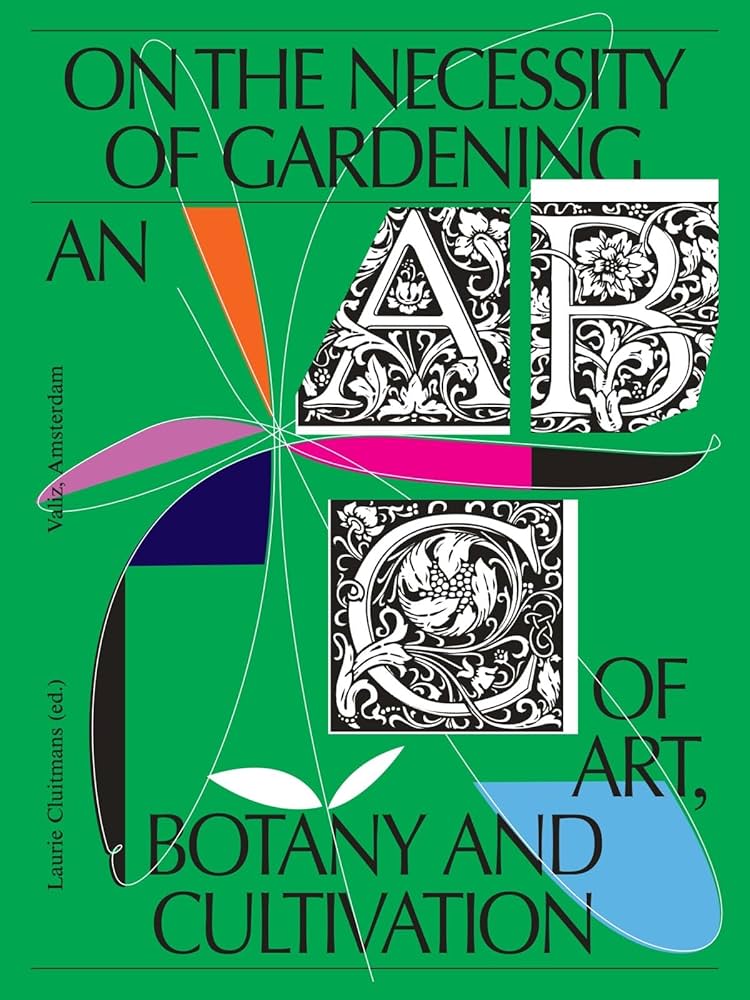
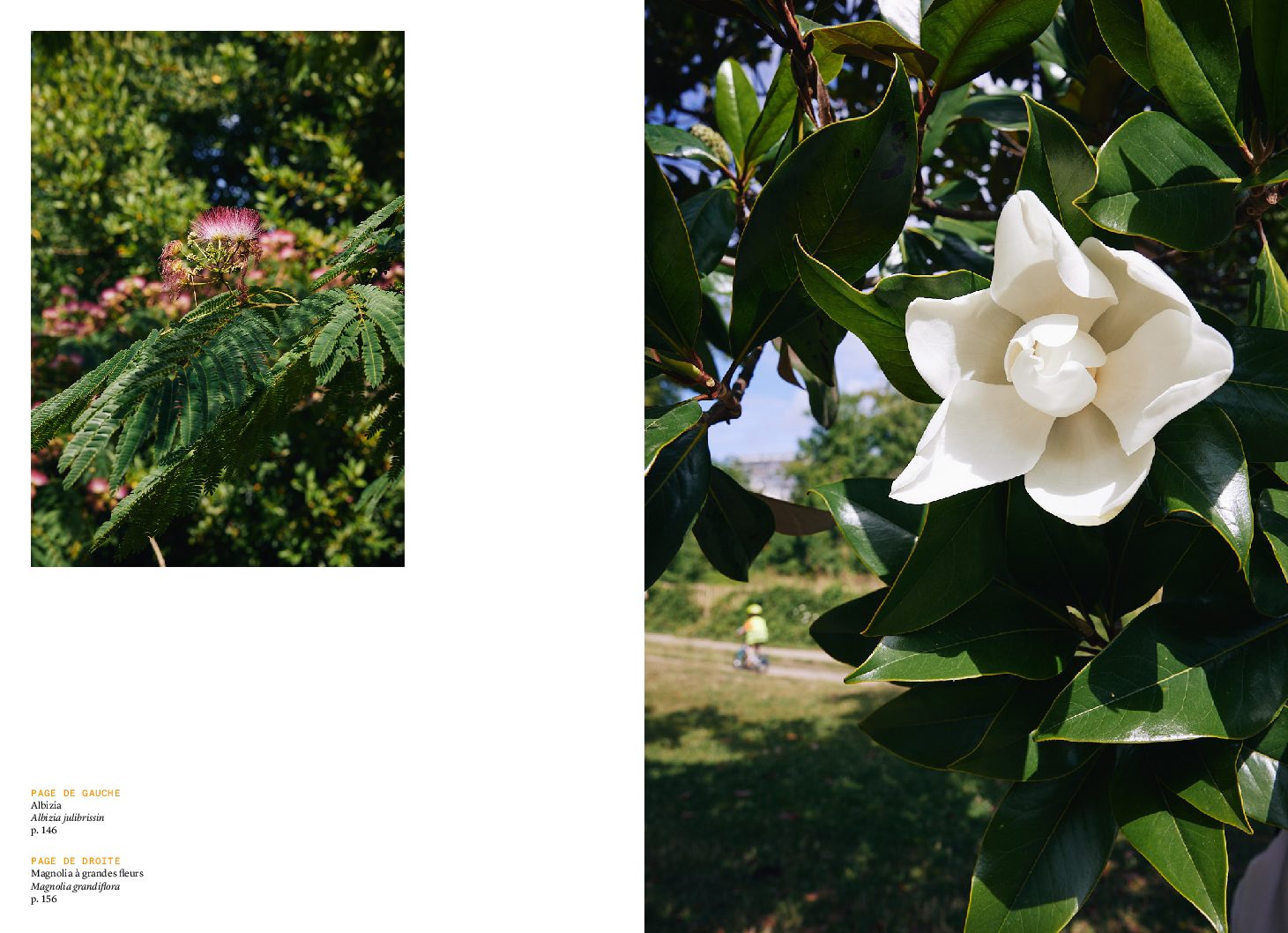
The book explores the art of gardens from a radical and interdisciplinary perspective. Structured as an alphabet, it examines how gardens have been understood, represented, and politicized throughout history: from the medieval vision of the garden as paradise, to its role as a symbol of power in the 18th century, and its place in contemporary ecological and social practices.
A perspective that views gardens not merely as aesthetic spaces, but also as arenas of cultural expression, resistance, and transformation.
On the Necessity of Gardening: An ABC of Art, Botany and Cultivation, Maison Plage, 2022. Private copy.
Habitable Ecosystems.
Thinking of outdoor spaces as places where every human intervention coexists with non-human life. We aim for spaces that are flexible, dynamic, and open, capable of adapting to changes over time, biodiversity, and human use.
y activating these spaces, we create new uses and forms of interaction: the garden ceases to be merely a site for contemplation and becomes a dynamic, inclusive, and participatory territory.
Drawing.
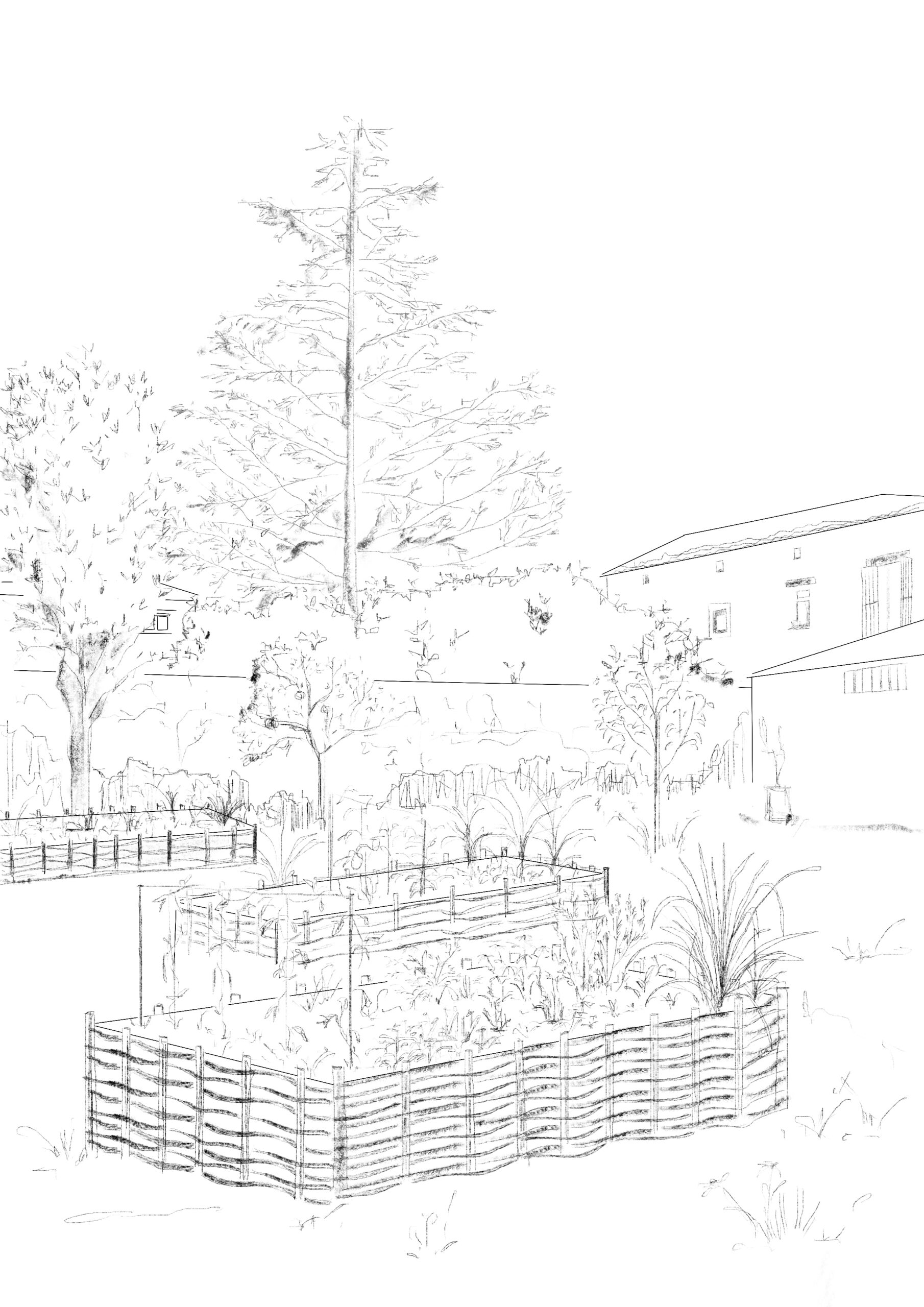
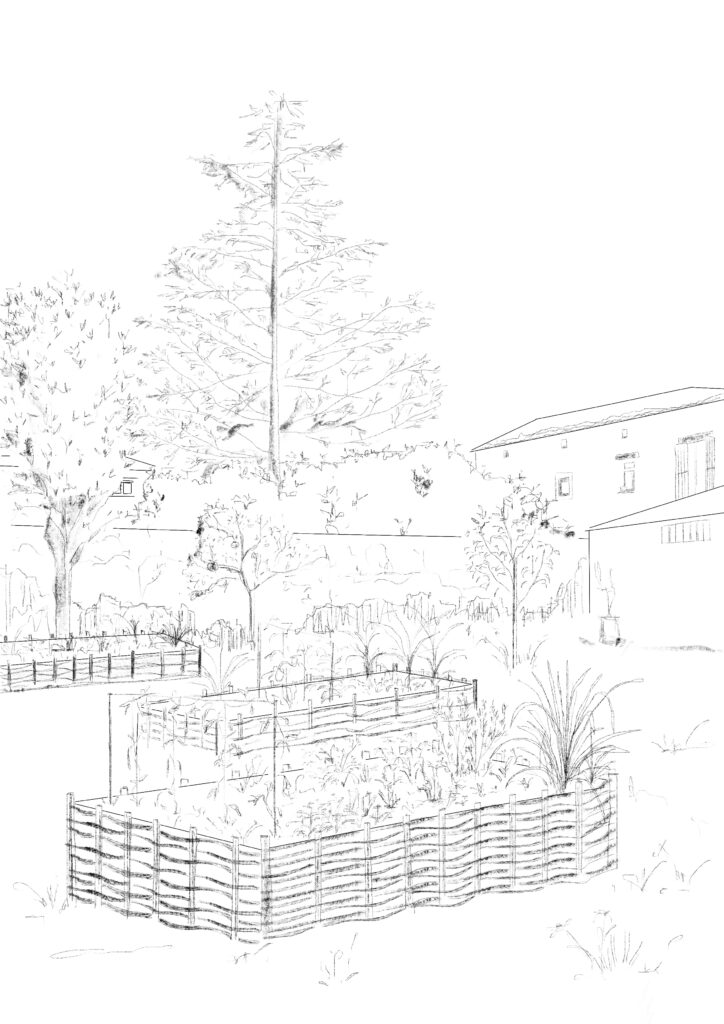
The Sketch. The first design tool.
The drawing changes, evolves, is erased and adapts. It allows us to explore the atmosphere of a project without rigidity, to approach the site with freedom and sensitivity.
Manual of Potential Cartographies.
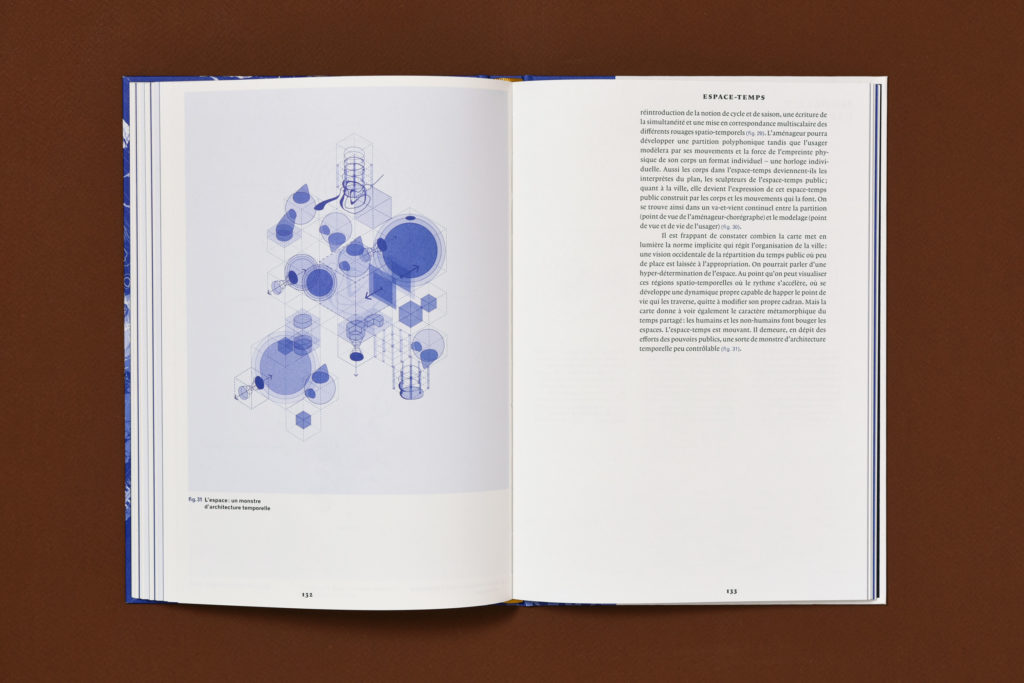
Terra Forma proposes an experimental approach to thinking about and representing territory. By expanding the traditional cartographic vocabulary, it lays the foundation for a new geographic and political imagination.
The book questions the way we understand spaces and develop strategies for intervention It encourages non-linear modes of thinking, experimenting with the perception of territory, and designing with attention not only to what exists but also to what could emerge.
Frédérique Aït-Touati, Alexandra Arènes & Axelle Grégoire, Terra Forma:Manuel de cartographies potentielles, B42, 2019. Private copy.
Botanical diversity.
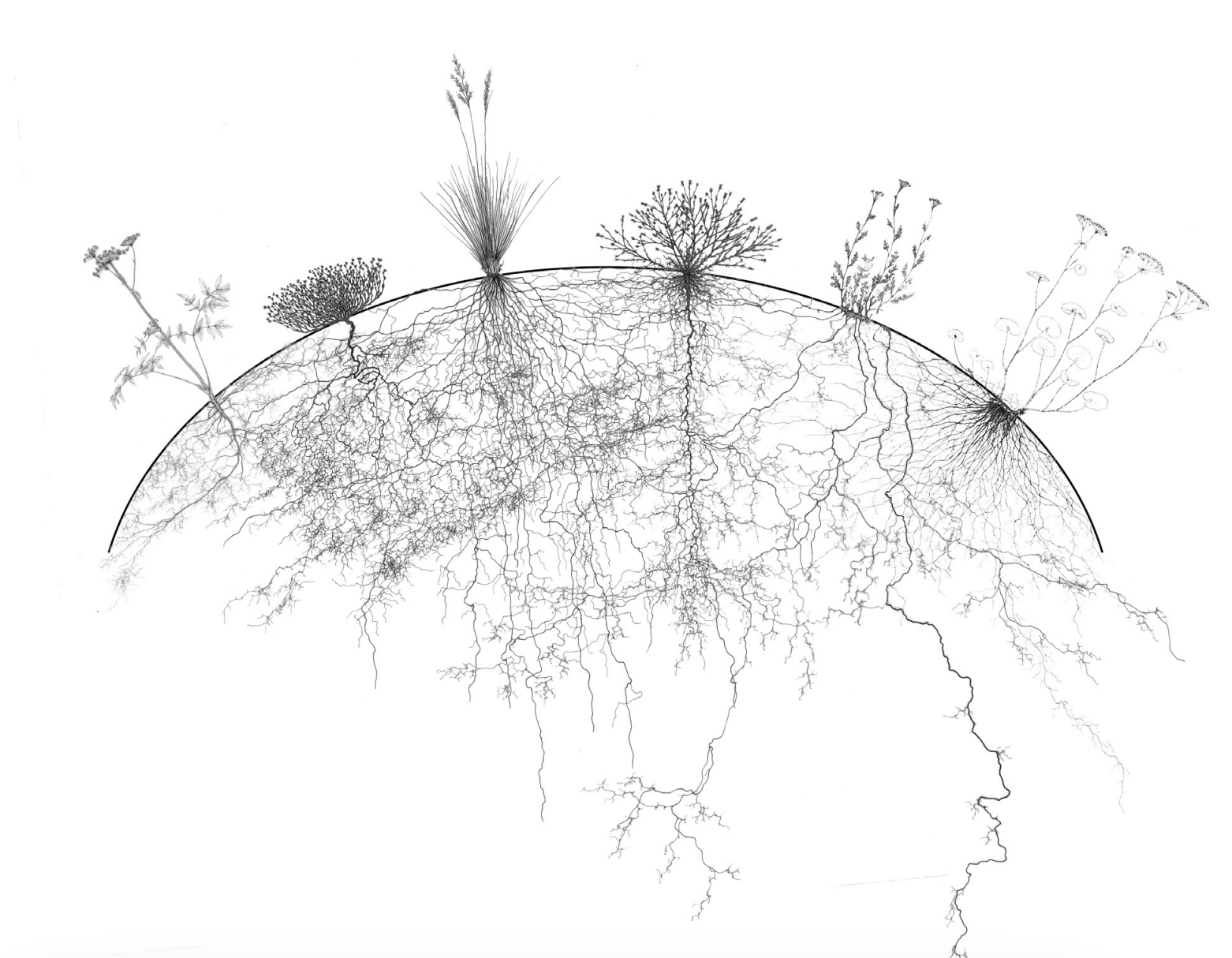
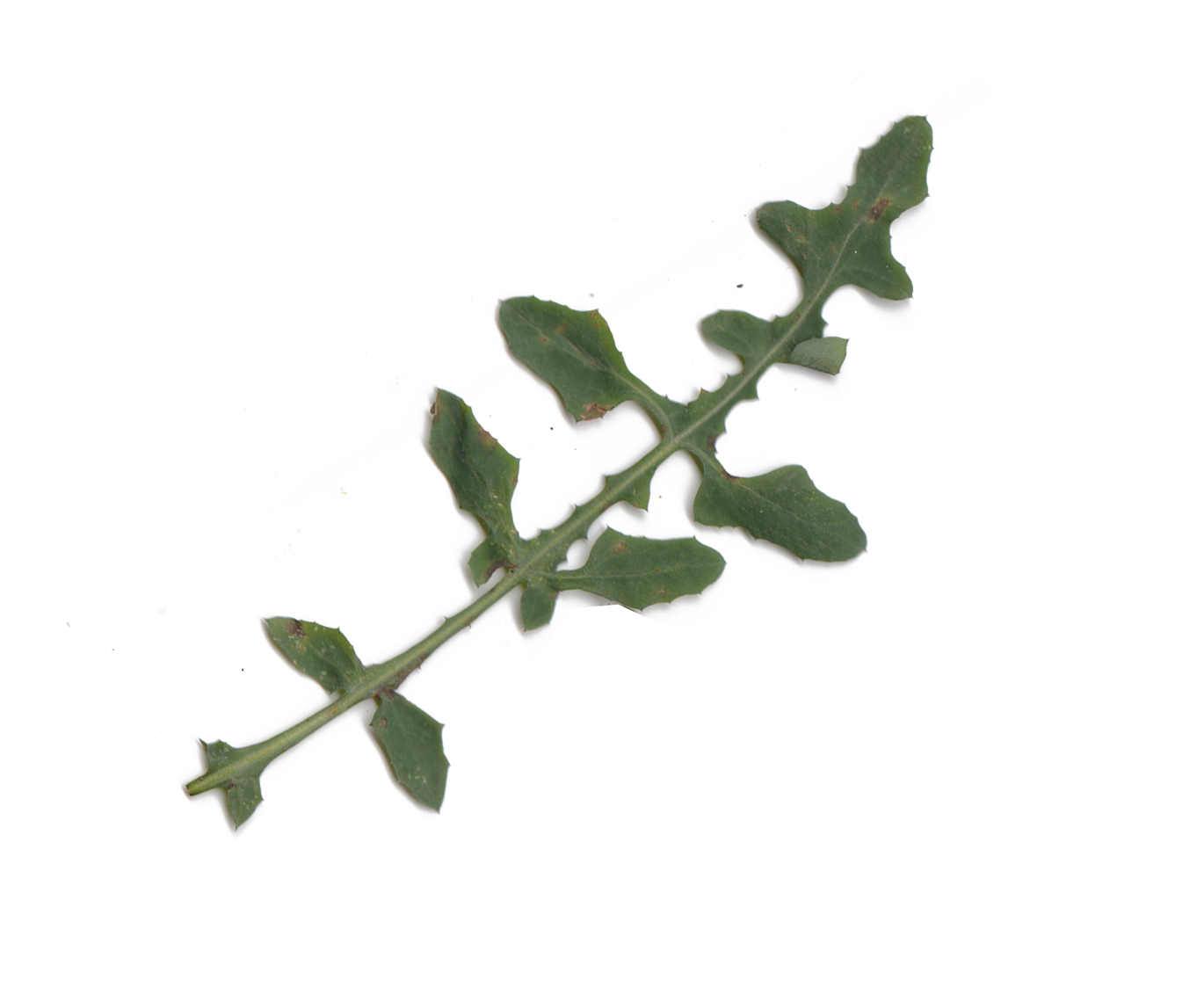
We carefully select plants by creating plant palettes adapted to each context. We ensure plant quality by working with committed nurseries, particularly regarding root development and resistance to Mediterranean conditions (poor soils, drought, etc.).
Before executing the project, we prepare planting plans and detailed studies of each species, allowing us to place the right plant in the right spot within the garden, maximizing healthy establishment and growth.
This attention to botanics reflects our holistic approach to landscape design: each plant contributes to creating a balanced and resilient ecosystem, aligned with local conditions and the narrative of the project.
Matter of place.
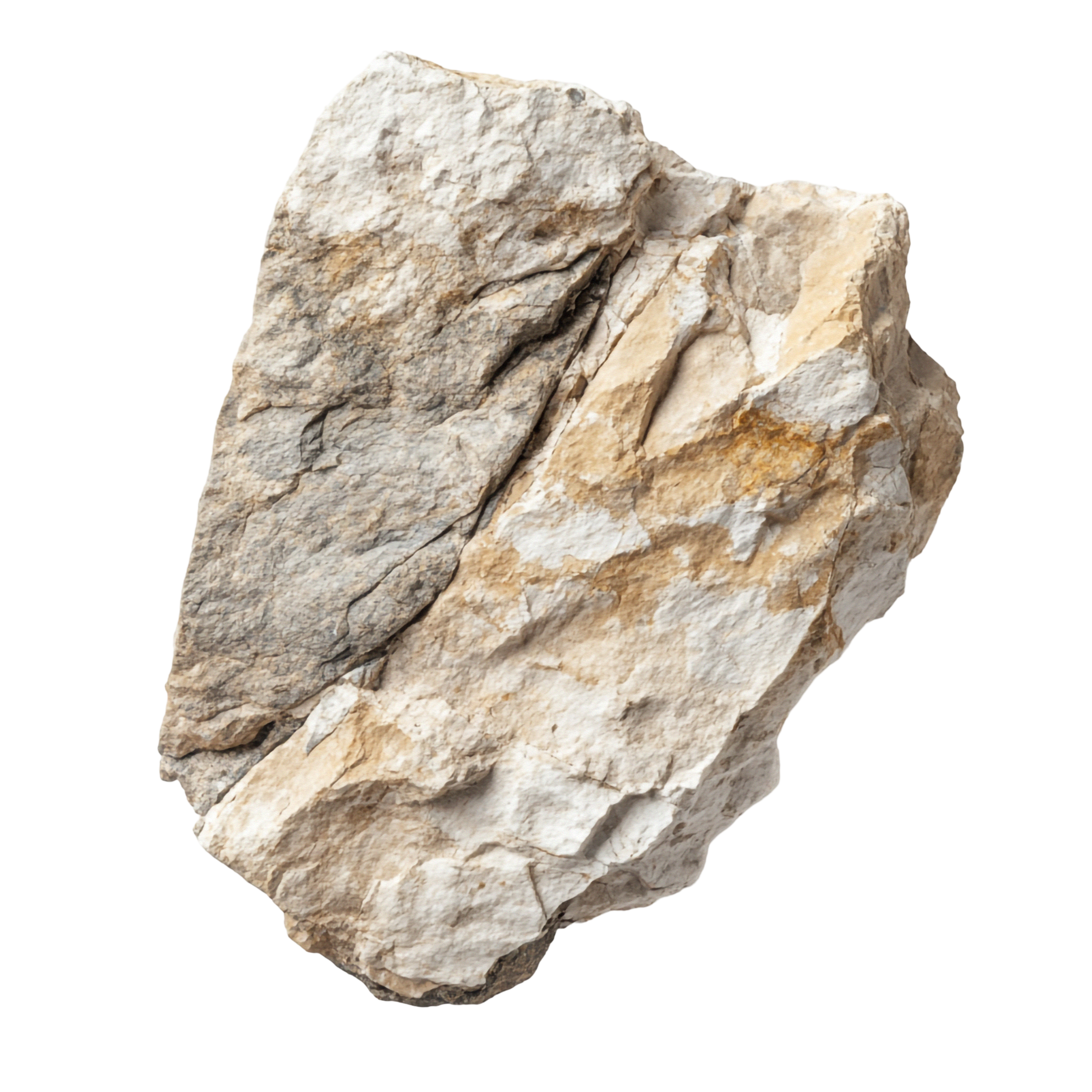
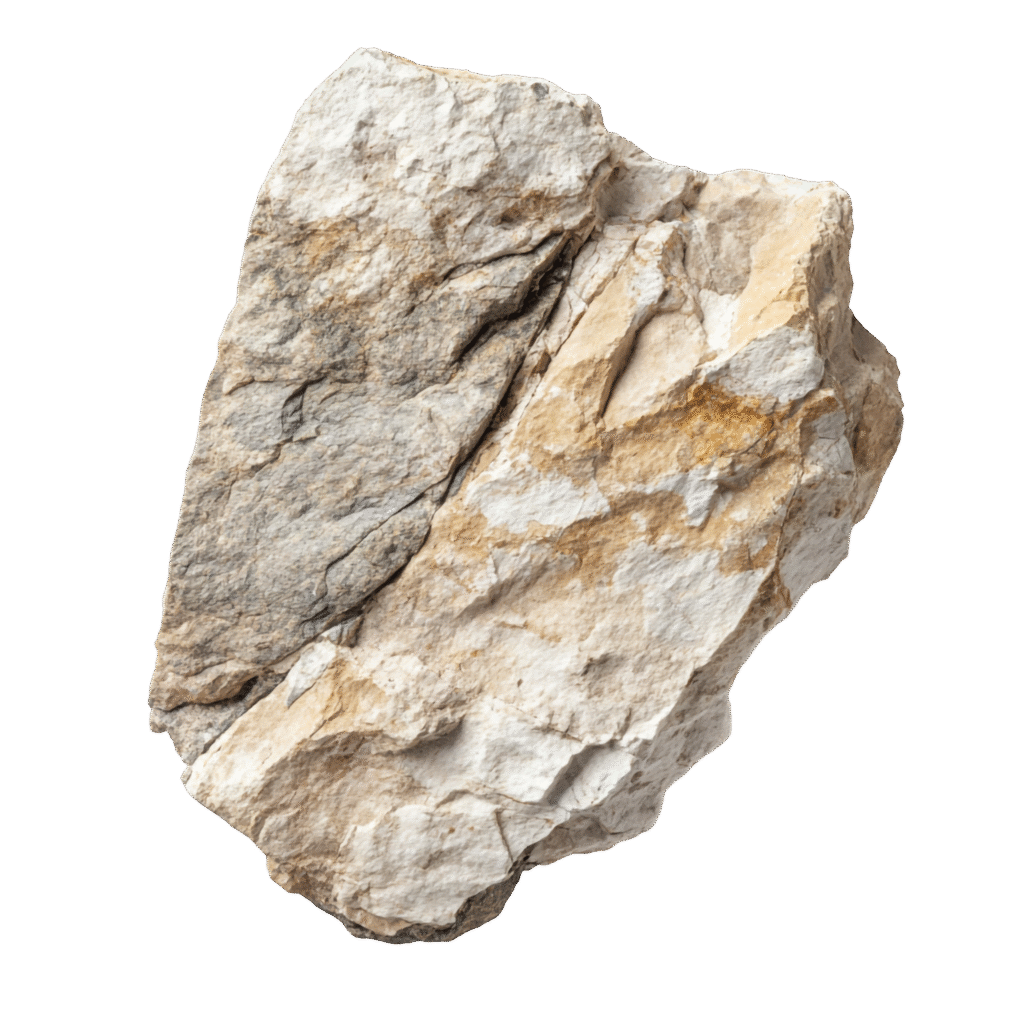
We consider the materials we use as fragments of the project’s territory: they reveal layers of history, geology, and memory that exceed our immediate perception. Choosing local materials allows the project to engage in dialogue with its landscape.
Attention to the origin and quality of what we use positions the project and highlights the uniqueness and richness of each context.
Smelling the landscape.
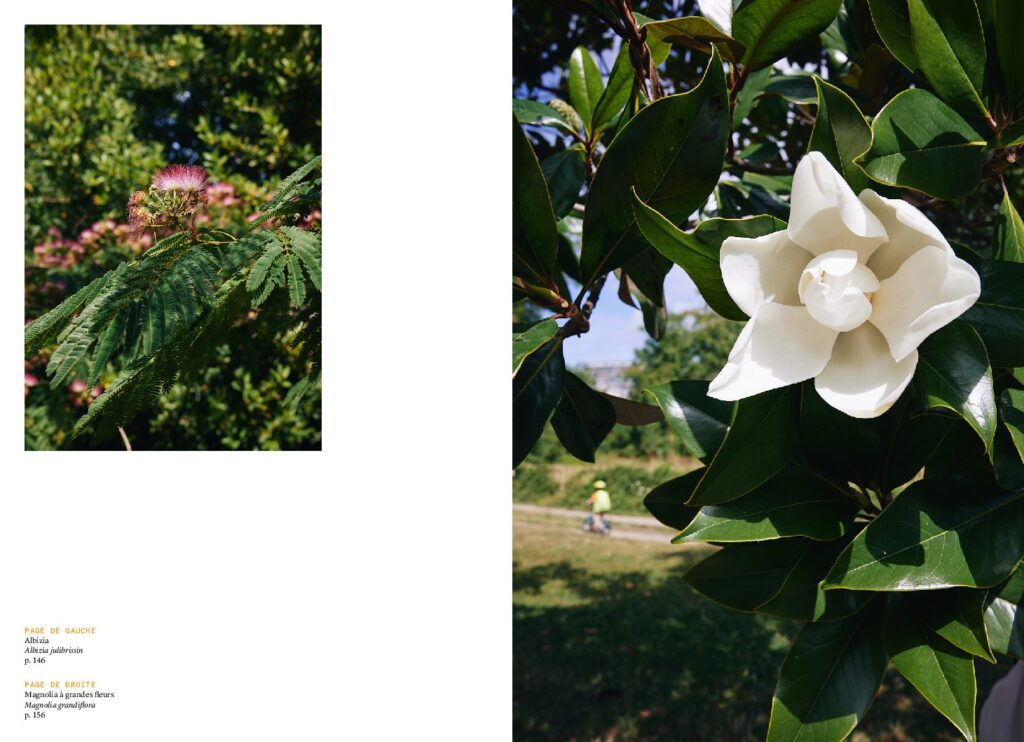
In Botanique Olfactive, Giulio Giorgi proposes a botanical classification through the sense of smell. The book explores how the aromas of plants from the most subtle to the most intense form a sensory language that offers another way of reading the landscape.
Beyond visual taxonomy, Giorgi invites us to conceive gardens and territories through scent, reclaiming the sensitive and subjective dimension of botany. For landscape designers, this work opens up new possibilities: designing with fragrances, considering the temporality of aromas throughout the year, and understanding the garden as an immersive space that activates memory, emotion, and perception.
Gardening and drawing share a reciprocal relationship.
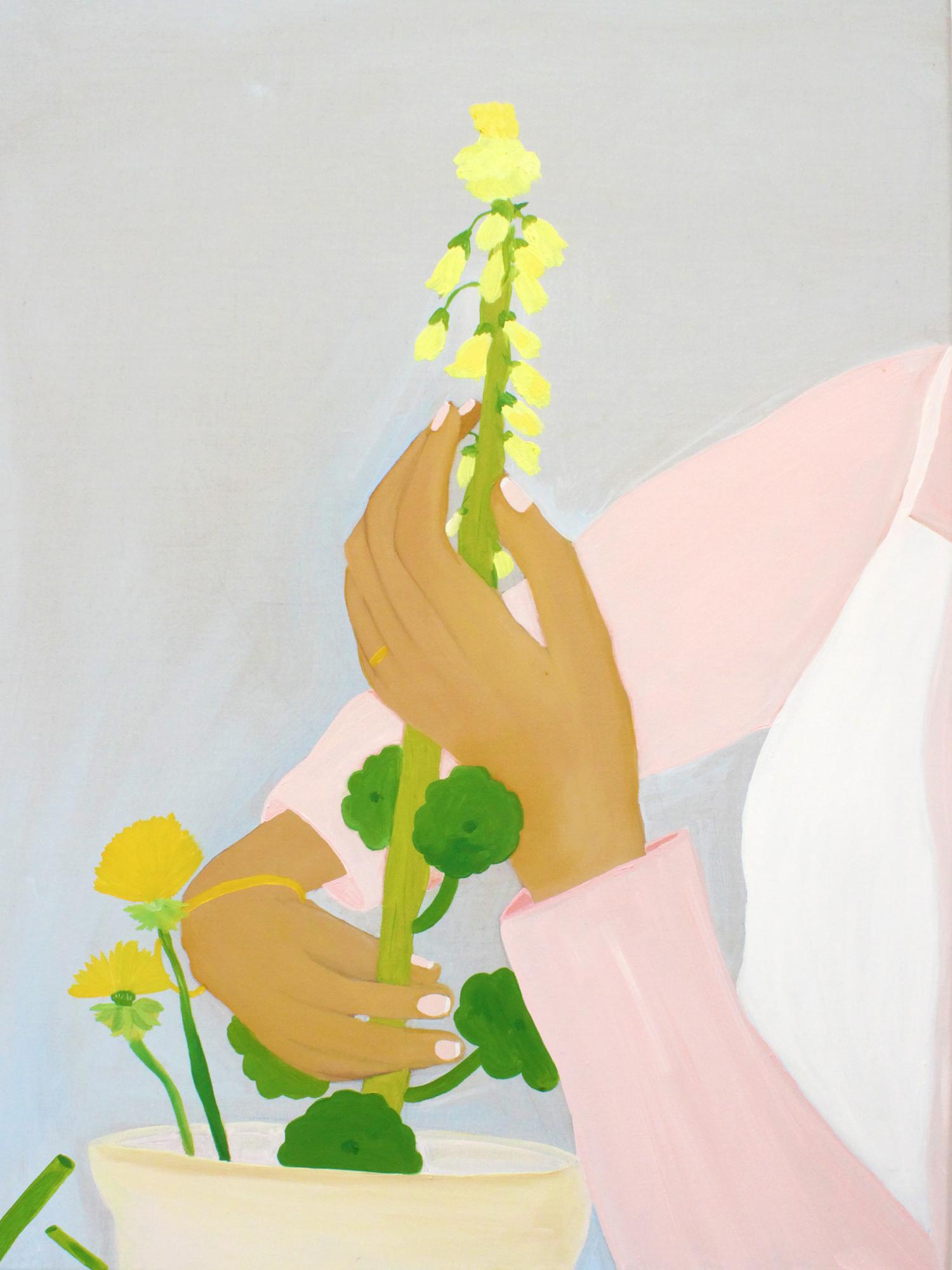
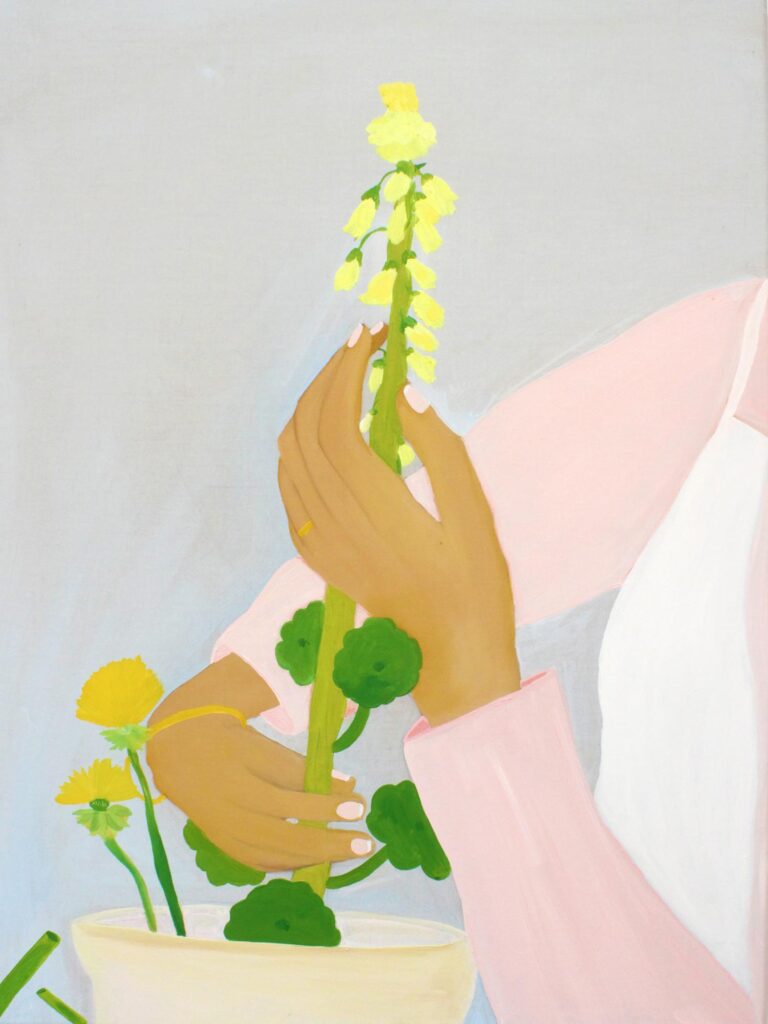
The artist Johanna Tagada Hoffbeck proposes the Oculus Horti hypothesis, exploring the interconnection between gardening and drawing, and more broadly, between the visual arts and horticulture. According to this proposal, each practice enhances the other through observation, attention, bodily movement, slowness, and creative inspiration.
The hypothesis suggests that the more a person engages in gardening, the more they are inspired by discovering patterns, textures, colors, and shapes in green spaces. Conversely, the more they engage in drawing, painting, or the visual arts, the greater their attention to subtle details becomes, making them a more perceptive and sensitive gardener.
Johanna Tagada Hoffbeck, painting. Source: www.johannatagada.net
Towards new alliances with the non-human.
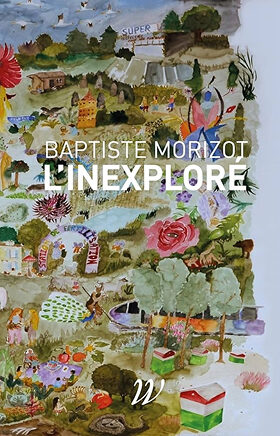
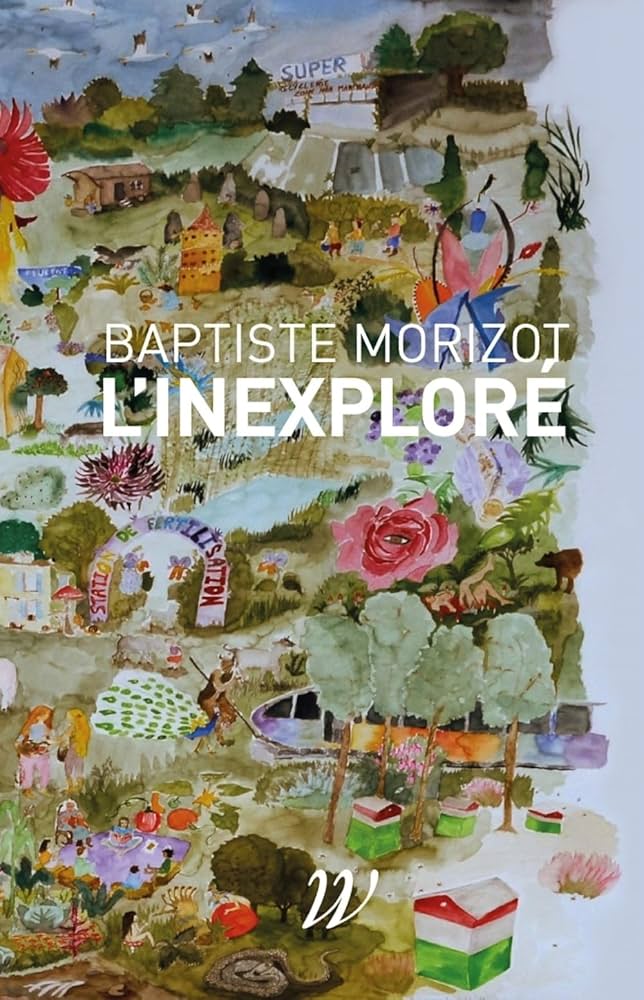
In L’Inexploré, Baptiste Morizot offers a profound reflection on our relationship with the living world and what he calls the “unexplored”: territories of knowledge and care that we have not yet learned to fully recognize or inhabit. The book challenges the traditional view that separates humans from the non-human, culture from nature, and instead proposes an approach of active coexistence, where every being—animal, plant, water, soil—possesses its own agency and vitality.
We consider this work a conceptual tool: it inspires us to rethink design practice as a dialogue with the ecosystem.
It reminds us that a landscape is not merely form or function, but a relational space in constant transformation, where our decisions affect multiple lives and where uncertainty must be embraced as part of the project.
The author proposes a landscape ethic based on attention, humility, and openness to the unexpected, inviting us to develop strategies of intervention that respect the autonomy of living systems and foster diversity, resilience, and coexistence between humans and non-humans.
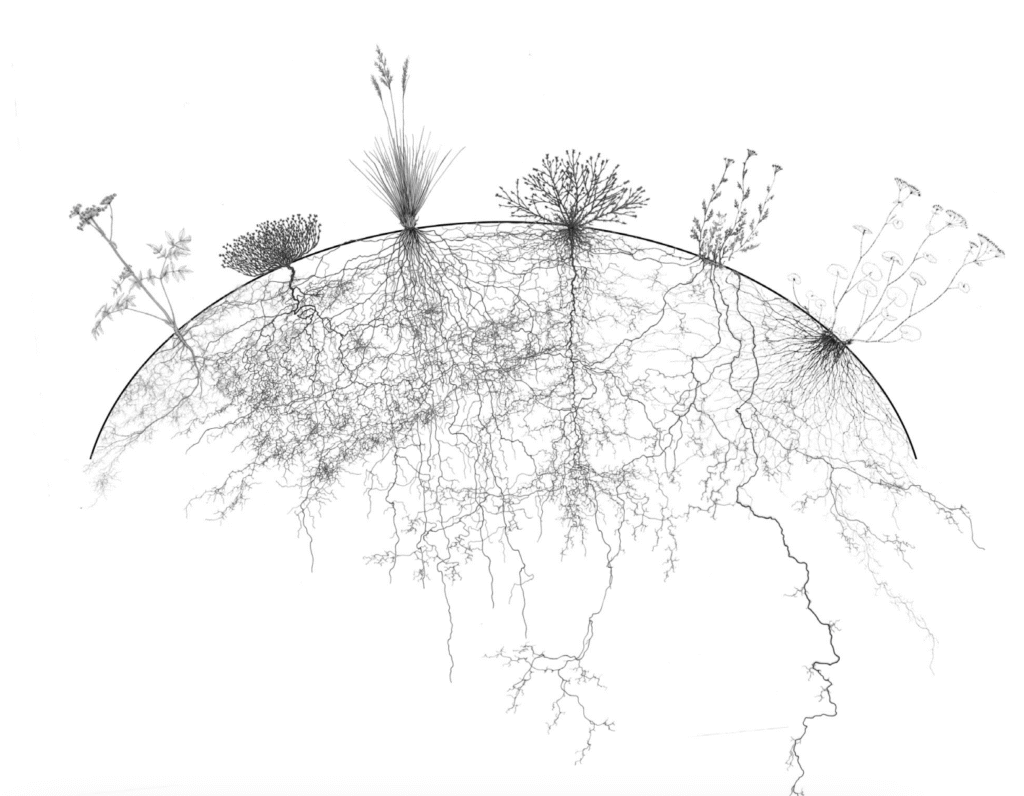
Soil is the living foundation of the landscape, carrying history, memory, and ecological potential. It shapes the flow of water, the growth of plants, and the way the space is experienced.
In the face of the widespread artificialization of territories, our projects commit to zero artificialization, incorporating interventions that respect the geography, topography, and natural processes of the site.
Whenever possible, we aim to de-artificialize previously altered areas, restoring their ecological potential and capacity to support biodiversity.
Explore.
«Learn gardening from the wilderness outside the garden gate»
Wendy Johnson
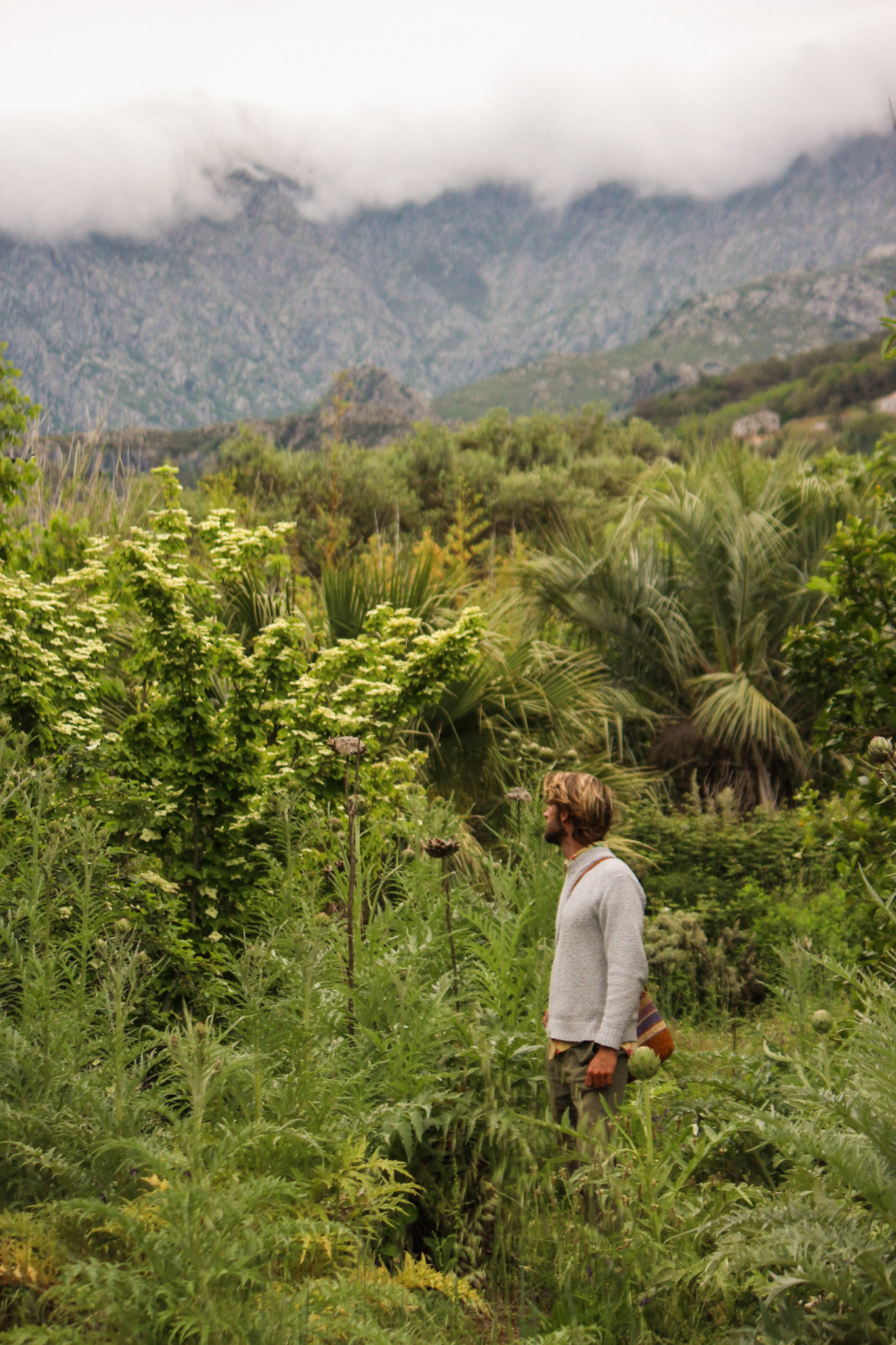
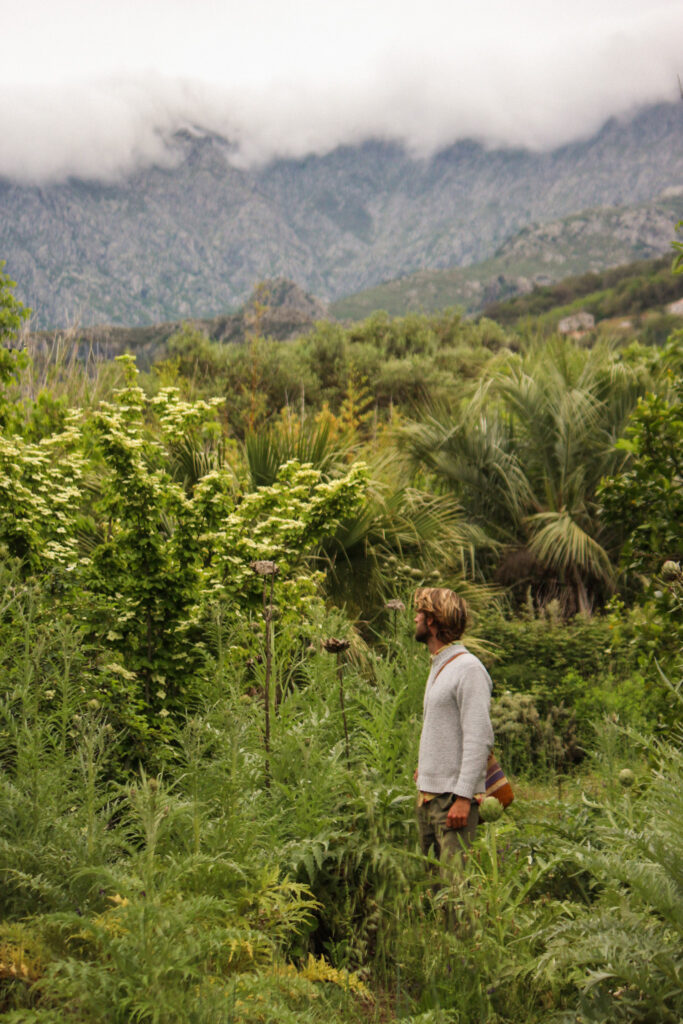
Exploring, discovering, and learning from our surroundings is an integral part of our practice as landscape designers. Wild landscapes or inspiring gardens: we learn from the unexpected and untamed, from everyday gardeners, and from the masters.
Visit of the Avapessa edible garden (Córcega), 2023
The book explores the art of gardens from a radical and interdisciplinary perspective. Structured as an alphabet, it examines how gardens have been understood, represented, and politicized throughout history: from the medieval vision of the garden as paradise, to its role as a symbol of power in the 18th century, and its place in contemporary ecological and social practices.
A perspective that views gardens not merely as aesthetic spaces, but also as arenas of cultural expression, resistance, and transformation.
On the Necessity of Gardening: An ABC of Art, Botany and Cultivation, Maison Plage, 2022. Private copy.
Habitable Ecosystems.
Thinking of outdoor spaces as places where every human intervention coexists with non-human life. We aim for spaces that are flexible, dynamic, and open, capable of adapting to changes over time, biodiversity, and human use.
y activating these spaces, we create new uses and forms of interaction: the garden ceases to be merely a site for contemplation and becomes a dynamic, inclusive, and participatory territory.
Drawing.
The Sketch. The first design tool.
The drawing changes, evolves, is erased and adapts. It allows us to explore the atmosphere of a project without rigidity, to approach the site with freedom and sensitivity.
Manual of Potential Cartographies.
Terra Forma proposes an experimental approach to thinking about and representing territory. By expanding the traditional cartographic vocabulary, it lays the foundation for a new geographic and political imagination.
The book questions the way we understand spaces and develop strategies for intervention It encourages non-linear modes of thinking, experimenting with the perception of territory, and designing with attention not only to what exists but also to what could emerge.
Frédérique Aït-Touati, Alexandra Arènes & Axelle Grégoire, Terra Forma:Manuel de cartographies potentielles, B42, 2019. Private copy.
Botanical diversity.
We carefully select plants by creating plant palettes adapted to each context. We ensure plant quality by working with committed nurseries, particularly regarding root development and resistance to Mediterranean conditions (poor soils, drought, etc.).
Before executing the project, we prepare planting plans and detailed studies of each species, allowing us to place the right plant in the right spot within the garden, maximizing healthy establishment and growth.
This attention to botanics reflects our holistic approach to landscape design: each plant contributes to creating a balanced and resilient ecosystem, aligned with local conditions and the narrative of the project.
Matter of place.
We consider the materials we use as fragments of the project’s territory: they reveal layers of history, geology, and memory that exceed our immediate perception. Choosing local materials allows the project to engage in dialogue with its landscape.
Attention to the origin and quality of what we use positions the project and highlights the uniqueness and richness of each context.
Smelling the landscape.
In Botanique Olfactive, Giulio Giorgi proposes a botanical classification through the sense of smell. The book explores how the aromas of plants from the most subtle to the most intense form a sensory language that offers another way of reading the landscape.
Beyond visual taxonomy, Giorgi invites us to conceive gardens and territories through scent, reclaiming the sensitive and subjective dimension of botany. For landscape designers, this work opens up new possibilities: designing with fragrances, considering the temporality of aromas throughout the year, and understanding the garden as an immersive space that activates memory, emotion, and perception.
Gardening and drawing share a reciprocal relationship.
The artist Johanna Tagada Hoffbeck proposes the Oculus Horti hypothesis, exploring the interconnection between gardening and drawing, and more broadly, between the visual arts and horticulture. According to this proposal, each practice enhances the other through observation, attention, bodily movement, slowness, and creative inspiration.
The hypothesis suggests that the more a person engages in gardening, the more they are inspired by discovering patterns, textures, colors, and shapes in green spaces. Conversely, the more they engage in drawing, painting, or the visual arts, the greater their attention to subtle details becomes, making them a more perceptive and sensitive gardener.
Johanna Tagada Hoffbeck, painting. Source: www.johannatagada.net
Towards new alliances with the non-human.
In L’Inexploré, Baptiste Morizot offers a profound reflection on our relationship with the living world and what he calls the “unexplored”: territories of knowledge and care that we have not yet learned to fully recognize or inhabit. The book challenges the traditional view that separates humans from the non-human, culture from nature, and instead proposes an approach of active coexistence, where every being—animal, plant, water, soil—possesses its own agency and vitality.
We consider this work a conceptual tool: it inspires us to rethink design practice as a dialogue with the ecosystem.
It reminds us that a landscape is not merely form or function, but a relational space in constant transformation, where our decisions affect multiple lives and where uncertainty must be embraced as part of the project.
The author proposes a landscape ethic based on attention, humility, and openness to the unexpected, inviting us to develop strategies of intervention that respect the autonomy of living systems and foster diversity, resilience, and coexistence between humans and non-humans.
Soil is the living foundation of the landscape, carrying history, memory, and ecological potential. It shapes the flow of water, the growth of plants, and the way the space is experienced.
In the face of the widespread artificialization of territories, our projects commit to zero artificialization, incorporating interventions that respect the geography, topography, and natural processes of the site.
Whenever possible, we aim to de-artificialize previously altered areas, restoring their ecological potential and capacity to support biodiversity.
Explore.
«Learn gardening from the wilderness outside the garden gate»
Wendy Johnson
Exploring, discovering, and learning from our surroundings is an integral part of our practice as landscape designers. Wild landscapes or inspiring gardens: we learn from the unexpected and untamed, from everyday gardeners, and from the masters.
Visit of the Avapessa edible garden (Córcega), 2023